
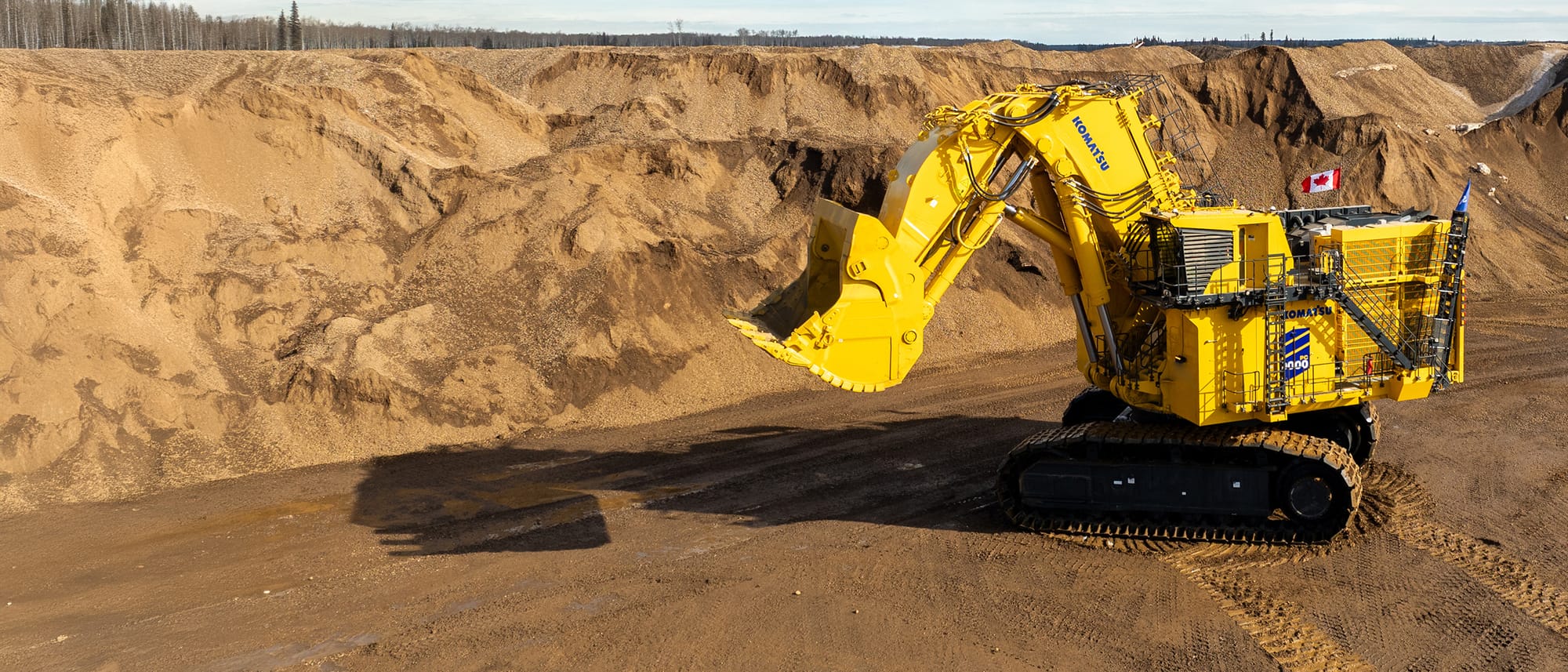
Buried in the launch of the biggest hydraulic excavator Komatsu has ever built is the line that actually matters. The new PC9000-12 weighs close to 900 tonnes and swings a 46 cubic metre bucket. And for the first time on a machine this size, you can order it electric.
What is in the Komatsu PC9000
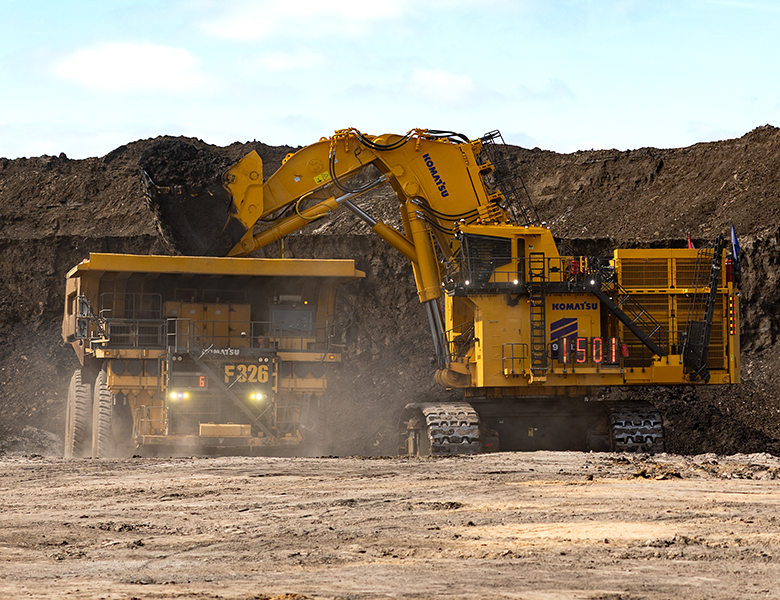
The diesel build is two engines and about 4,500 horsepower, shifting more than 80 tonnes of rock a pass and around 8,000 tonnes an hour. The electric option swaps the engines for a pair of motors, takes the local emissions off the site, and still runs with Komatsu's driverless haulage. You will never park one of these in your yard. It is still worth understanding why it went electric.
Why electrification is reaching both ends of the range first
Electrification is reaching the two ends of the market first. The smallest machines went early, the compact excavators and loaders that work indoors, in tunnels, or anywhere noise is a problem. Now the very largest iron follows, because a machine that sits at one dig face all day can run off a cable and nobody loses a shift over it. Both ends are the easy cases.
The middle of the market is the hard part
The hard case is the middle, and the middle is where almost every machine actually lives: the everyday excavator or loader that roams a site for ten hours and does it again tomorrow. Diesel still wins there, comfortably, and will for a while yet. But when both ends of a market move, the middle rarely holds forever. Not this year, not next. The first sign will show up in resale, where a diesel-only machine slowly stops being the obvious safe buy.
Source: Komatsu. Image: Komatsu.
We track the Australian used and new equipment market and publish what we find, in plain language, for the people actually buying and selling machines.