
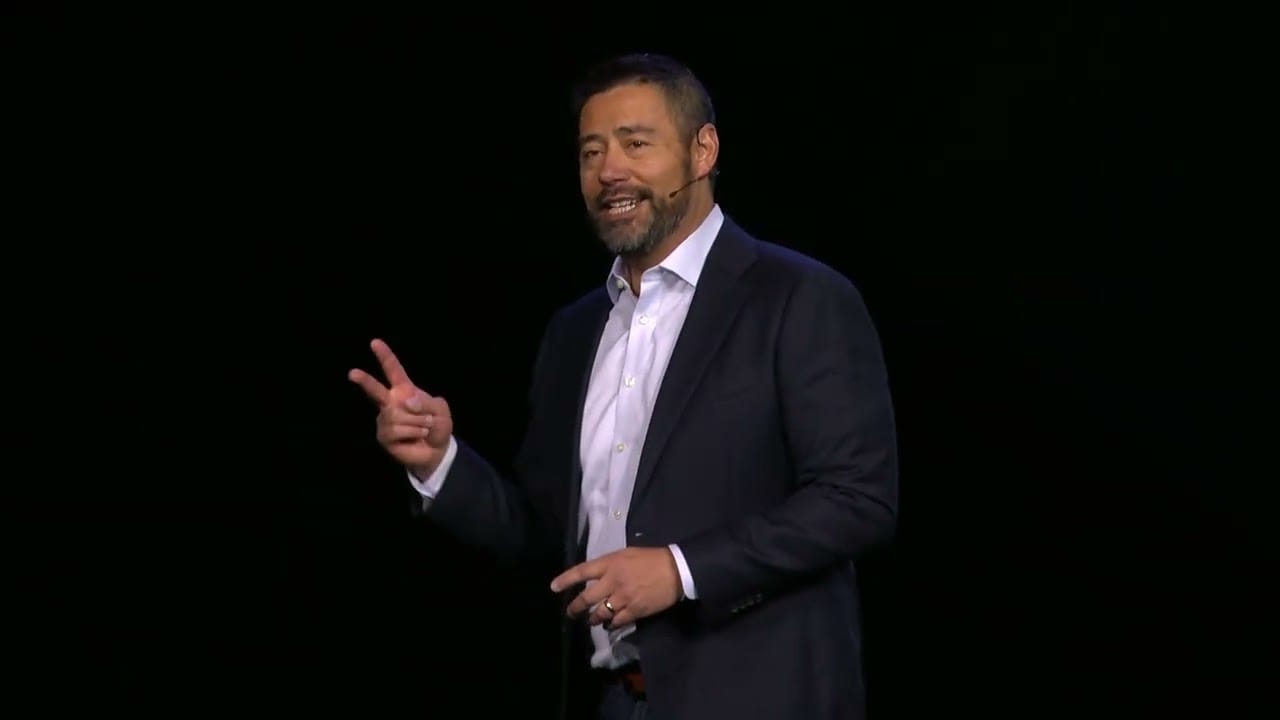
Caterpillar has moved more than five billion tonnes of earth with driverless trucks. Almost nobody has seen it happen, because it happens in mines, a long way from anywhere. At CES this year, Cat showed where that goes next: the same autonomy brought down to the everyday construction site, with a talking AI riding along in the cab.
What Caterpillar actually announced
The keynote had two halves. The first was the Cat AI Assistant, a conversational system built on Caterpillar's own data platform and NVIDIA speech models, which fields an operator's questions about parts, servicing, safety and scheduling. The second was a preview of autonomous versions of the machines a crew uses day to day: excavators, loaders, dozers, compactors and haul trucks, carried across from the mining fleet. The autonomy reads the site through a blend of LiDAR, radar, GPS and cameras stitched into one live picture. Cat widened its NVIDIA partnership to put more of that intelligence onboard, and committed 25 million dollars to training the people who will run it.
The autonomy track record underneath the keynote
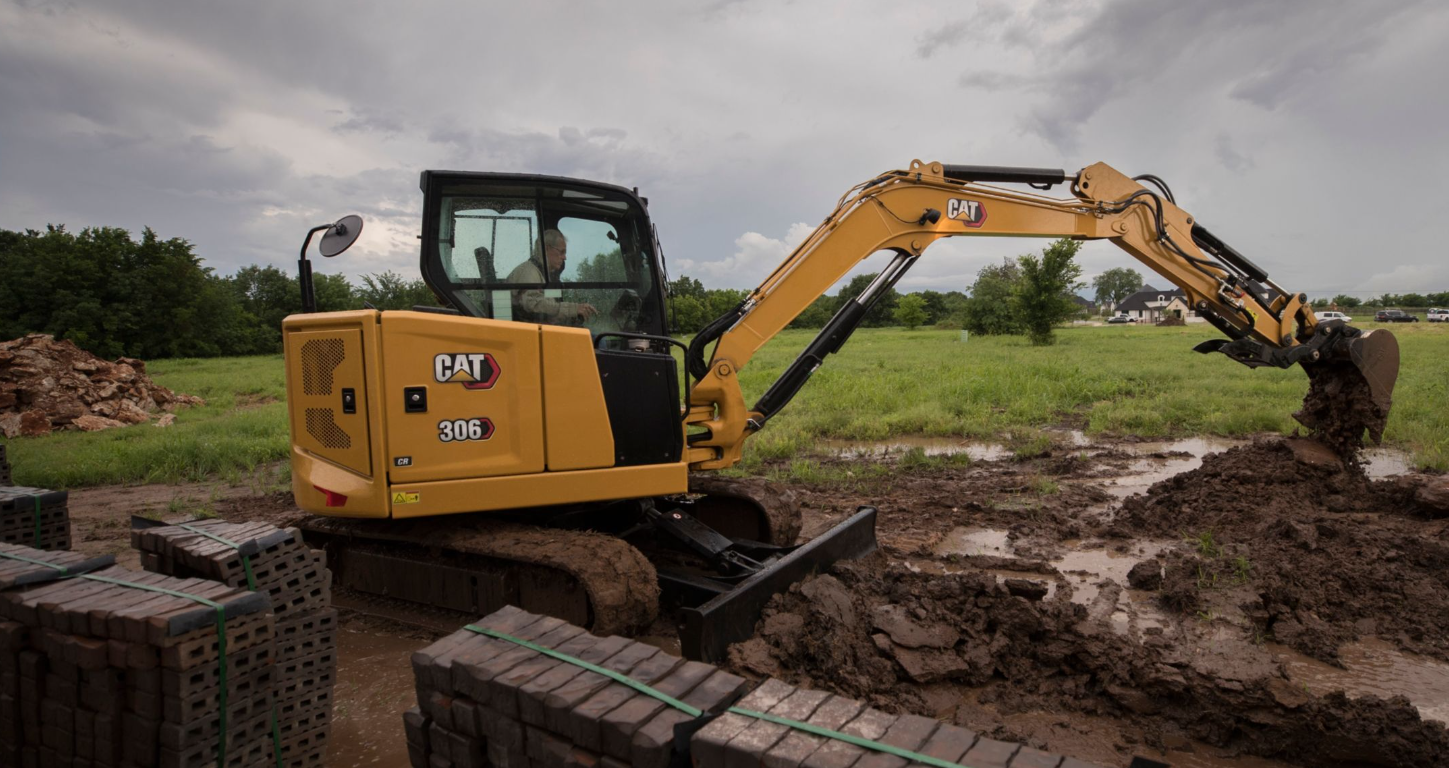
The part that makes this more than a stunt is the track record underneath it. Cat did not invent autonomy at CES. It has been running it at scale for years, on haul trucks, in about the hardest conditions the industry has. Once something works on a 400 tonne truck in a mine, the jobsite version becomes a question of cost and packaging, not whether the idea holds up.
What reaches your site first
A driverless fleet is not what lands on your site first, though. The near-term reality is narrower and more useful: grade control and the repetitive digging handled automatically, and an assistant that helps a green operator work like someone with twenty years up. For now the AI is a co-pilot, not a replacement, and that is the more interesting change.
So it is worth separating the two when the next keynote rolls around. The demo is always the driverless future. The option list is what actually ships, and right now that reads grade assist, payload weighing and an in-cab assistant. The distance between the demo and the order form is the real timeline.
Source: Caterpillar. Image: Caterpillar.
We track the Australian used and new equipment market and publish what we find, in plain language, for the people actually buying and selling machines.